Source Wheeled Magnetic Filter Machine for Chemical, Food, and Water
Compare 30 wheeled magnetic filter machine options with varying pressures, magnetic forces, and filtration areas. These units feature sophisticated filters and are designed for chemical industry applications with customizable configurations; compare the available evidence and request quotations based on your requirements.
Key considerations
Products List


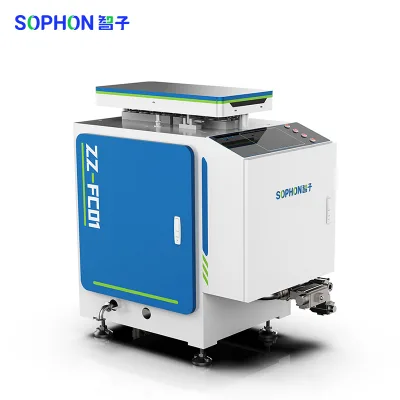


Comprehensive Sourcing Guide
Wheeled Magnetic Filter Machine Sourcing Guide
Procuring a wheeled magnetic filter machine requires a careful balance between industrial-grade filtration efficiency and operational mobility. These units are primarily designed for the chemical industry, where removing ferrous contaminants from liquids is critical to maintaining product purity and protecting downstream equipment. The observed market signals indicate a wide range of capabilities, from basic bar magnets to sophisticated filter systems with high-pressure ratings. Buyers must distinguish between simple magnetic bars and complete filtration assemblies that include housing, inlet/outlet connections, and drainage mechanisms. Understanding the specific mechanical and magnetic properties of each unit is essential for selecting the right tool for your process line.
The diversity in product listings suggests that "wheeled" may refer to portable cart-based systems or simply mobile industrial units rather than a single standardized product type. Listings show models with varying pressure ratings, such as 0.6 MPa, 0.8 MPa, and 1.0 MPa, indicating that not all units are suitable for high-pressure chemical processing. Furthermore, the presence of different magnetic force specifications, ranging from 12,000 Gauss to 15,000 Gauss, highlights the need for precise matching between the filter’s strength and the particle size of the contaminants you intend to remove. This guide helps you navigate these variations to ensure you select a machine that meets your specific technical and commercial requirements.
Product Scope and Observed Listing Signals
The current market for wheeled magnetic filters includes a variety of configurations, from vertical sanitary filters to horizontal industrial units with specific magnetic rod dimensions. Observed listings feature models like the TCCR25-2-CT45-4-2 and CT150-10-DN125, which suggest a range of sizes and connection types, including DN40 and DN125 inlets and outlets. The material composition is predominantly SUS304 stainless steel, with some options offering 316 stainless steel for enhanced corrosion resistance in aggressive chemical environments. Buyers should note that while many units are described as having "sophisticated filters," the actual filtration area can be as small as 0.25 square meters, which may limit throughput for high-volume applications.
Packaging and origin data indicate that most suppliers are based in China, with Ningbo being a notable hub for these industrial components. Products are typically packed in wooden boxes or cartons, which is standard for heavy industrial equipment but requires careful logistics planning to prevent damage during transit. The observed price range is extremely broad, spanning from $1 to $50,000, which reflects the difference between simple magnetic bars and complex, multi-stage filtration systems. Minimum Order Quantities (MOQs) vary from 1 to 2,000 units, suggesting that both single-unit procurement and bulk industrial contracts are common. This variability means buyers must clearly define their volume needs and technical specifications before engaging with suppliers to avoid misaligned quotes.
Technical Specifications to Verify
When evaluating technical specifications, the magnetic force is a critical parameter that directly impacts filtration efficiency. Listings show maximum magnetic forces ranging from 12,000 Gauss to 15,000 Gauss, with some units specifying a working temperature of up to 100 degrees Celsius. Buyers must verify that the magnetic strength is sufficient to capture the fine ferrous particles present in their specific chemical process. Additionally, the filter fineness, such as 600 mesh, and the bag size, like φ180*400mm, are important for determining the particle retention capability. It is essential to confirm whether the magnetic rods are permanent rare earth magnets, as this affects the long-term stability of the magnetic field without requiring external power sources.
Pressure ratings and flow rates are equally important for ensuring the filter can handle your process demands without causing bottlenecks or failures. Observed pressure ratings include 0.6 MPa, 0.8 MPa, and 1.0 MPa, so you must match the unit’s rating to your system’s operating pressure to prevent leaks or structural damage. Flow rates, such as 15 tons per hour, should be compared against your production volume to ensure adequate throughput. The inlet and outlet sizes, ranging from DN32 to DN125, must align with your existing piping infrastructure. Verifying these mechanical specifications against your process data is crucial to avoid costly retrofits or operational inefficiencies after installation.
Compliance and Safety Documentation
Compliance with international quality standards is a key indicator of supplier reliability and product consistency. Many listings mention ISO 9001:2015 certification, which demonstrates that the manufacturer has a certified quality management system in place. While CE marking is often associated with European safety standards, its presence in listings should be verified independently, as it is not always a guaranteed attribute for all models. Buyers should request valid certification documents from suppliers to ensure that the products meet the necessary safety and quality benchmarks for your region. This verification step helps mitigate risks associated with non-compliant equipment, which could lead to operational shutdowns or legal liabilities.
Safety documentation should also include detailed information on the materials used in construction, particularly the grade of stainless steel. Listings specify SUS304 and 316 stainless steel, which are standard for chemical industry applications due to their corrosion resistance. Buyers must confirm that the surface material is suitable for the specific chemicals being filtered, as some acids or bases may degrade lower-grade materials. Additionally, the working temperature limit of 100 degrees Celsius must be respected to prevent damage to the magnetic components or seals. Ensuring that all safety and material documentation is complete and accurate is essential for maintaining a safe working environment and protecting your investment.
Cost Drivers and Commercial Terms
The cost of a wheeled magnetic filter machine is influenced by several factors, including the magnetic force, material grade, and filtration area. Units with higher magnetic forces, such as 15,000 Gauss, and those made from 316 stainless steel typically command higher prices due to the increased material and manufacturing costs. The complexity of the design, such as the inclusion of sophisticated filters or specific bag sizes, also adds to the overall cost. Buyers should request detailed quotes that break down these components to understand the value proposition of each unit. Comparing prices across different suppliers while keeping technical specifications constant is the best way to identify fair market rates.
Commercial terms, including MOQs and packaging, play a significant role in the total cost of ownership. MOQs ranging from 1 to 2,000 units mean that small buyers may face higher per-unit costs, while bulk buyers can negotiate better prices. Packaging in wooden boxes or cartons adds to the shipping weight and volume, which affects freight costs. Buyers should also consider the lead times and payment terms offered by suppliers, as these can impact cash flow and project timelines. Clear communication about these commercial terms early in the sourcing process helps avoid unexpected costs and ensures a smooth transaction.
Supplier Qualification and Quality Control
Supplier qualification is a critical step in ensuring the reliability of your wheeled magnetic filter machine. Buyers should verify the supplier’s production capabilities, including their ability to customize products to meet specific technical requirements. The availability of customization services, as noted in some listings, is a valuable feature for unique process needs. Additionally, checking the supplier’s track record in the chemical industry can provide insights into their experience and reliability. Requesting references or case studies from previous clients can help validate the supplier’s claims and ensure they have a proven history of delivering high-quality products.
Quality control measures should be clearly defined and agreed upon before placing an order. Buyers should inquire about the testing procedures used to verify magnetic force, pressure ratings, and material composition. Some suppliers may offer pre-shipment inspections or third-party testing services to ensure product compliance. Establishing a clear quality assurance protocol helps minimize the risk of receiving defective or non-conforming products. Regular communication with the supplier during the production process can also help identify and address any potential issues early on, ensuring that the final product meets your expectations.
Long-Term Procurement Checks
Long-term procurement success depends on establishing a robust relationship with your supplier and implementing continuous improvement strategies. Buyers should regularly review supplier performance metrics, such as delivery times, product quality, and after-sales support. Maintaining open communication channels allows for timely resolution of any issues that may arise during the product’s lifecycle. Additionally, staying informed about industry trends and technological advancements can help you identify opportunities for upgrading your filtration systems. Regularly reassessing your technical requirements ensures that your equipment continues to meet your evolving process needs.
Implementing a systematic approach to maintenance and spare parts management is essential for maximizing the lifespan of your wheeled magnetic filter machine. Buyers should establish a schedule for regular inspections and cleaning of the magnetic rods and filters to maintain optimal performance. Keeping a stock of critical spare parts, such as seals and gaskets, can help minimize downtime in case of unexpected failures. Collaborating with your supplier to develop a comprehensive maintenance plan can provide valuable insights and support. By focusing on long-term procurement checks, you can ensure that your investment in wheeled magnetic filters delivers consistent value and reliability over time.
FAQs
What is the maximum magnetic force of this filter?
The maximum magnetic force reaches 15000 Gauss for specific models. Other variants offer 12000 Gauss or 14000 Gauss depending on the configuration. These permanent rare earth magnets ensure high efficiency in removing iron particles from chemical industry fluids effectively.
Which pressure ratings are available for this machine?
Available pressure ratings include 0.6 MPa, 0.8 MPa, and 1.0 MPa. These ratings allow the unit to operate safely under various industrial conditions. The system utilizes sophisticated filters to maintain performance while handling different pressure requirements in chemical processing applications.
Can the product be customized for specific needs?
Yes, customization is available for this wheeled magnetic filter machine. Buyers can request specific dimensions or material grades like SUS304. This flexibility ensures the equipment meets unique operational requirements while maintaining high filtration standards for industrial applications.
What is the filtration area and mesh size?
The filtration area is 0.25 square meters with a filter fineness of 600 mesh. This configuration ensures precise removal of impurities from liquids. The compact design supports efficient operation within the chemical industry while maintaining high flow rates up to 15 tons per hour.
How is the product packed and what is the origin?
The product is packed in wooden boxes or cartons depending on the model. It originates from China, specifically Ningbo. This packaging ensures safe transport while the origin indicates the manufacturing base for these industrial magnetic filtration units used globally.
What is the working temperature limit for the magnet?
The working temperature limit is 100 degrees Celsius for the permanent magnet assembly. This allows stable operation in various industrial environments. The rare earth composition ensures consistent magnetic force even under elevated thermal conditions typical in chemical processing lines.
Which certifications does the manufacturer hold?
The manufacturer holds ISO 9001:2015 certification for quality management. This ensures consistent production standards for the magnetic filter machines. While other certifications like CE may exist, the documented ISO standard confirms adherence to international quality protocols for industrial equipment.